Podcasts - 27.01.2026 - 08:00
What does late medieval mining have to do with our present day?
Why is the history of silver mines, princes and ‘teeming’ pit images of central importance when we think about freedom, growth and the crisis of the present?
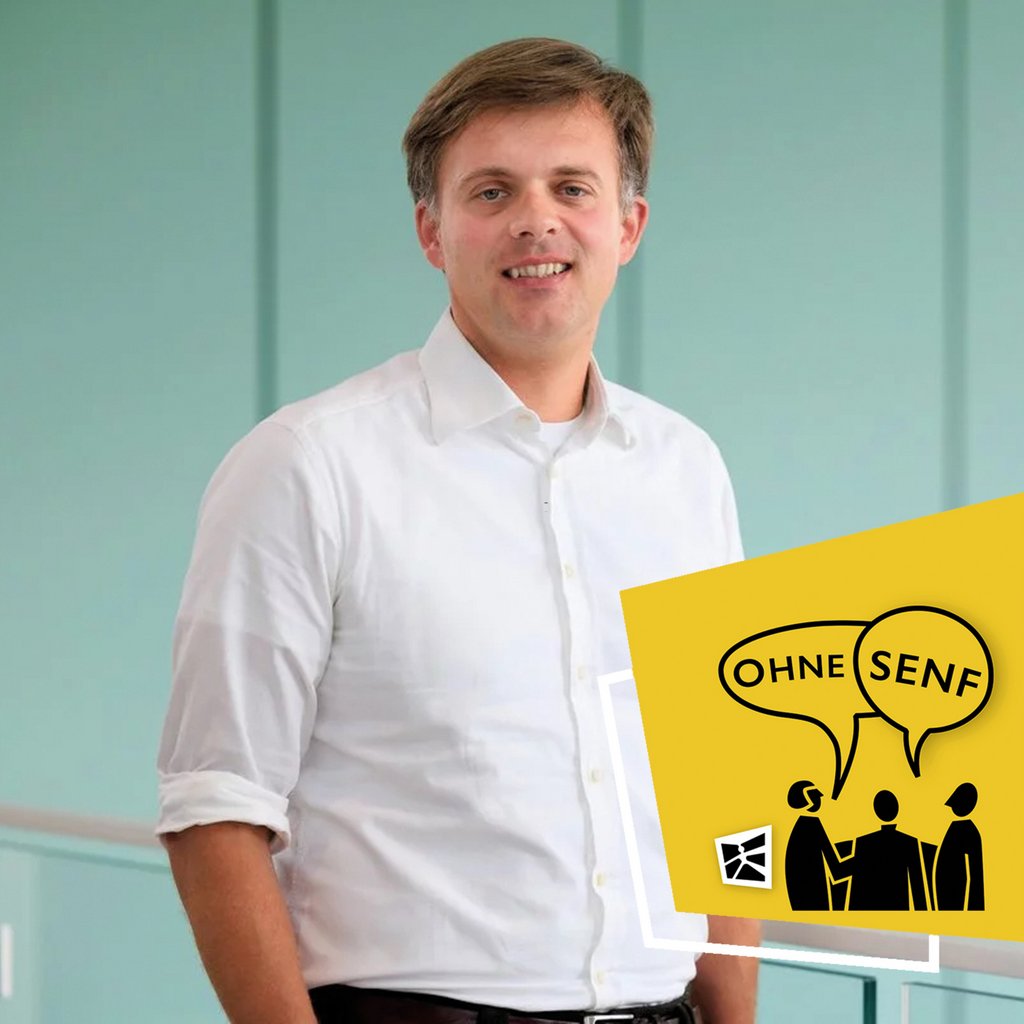
In this episode, Wolfram Eilenberger talks to philosopher and early modern historian Dr Andreas Friedolin Lingg about epochal thresholds, promises of abundance and the question of whether our obsession with ‘growth’ is already a historical relic.
Andreas Lingg explains how mining gave rise to an ‘uninhibited economy’ based on the principle of ever-increasing wealth and seemingly inexhaustible resources. At the same time, political rule and economic investment became intertwined, causing traditional orders to slide and new forms of diversity, dynamism and risk to emerge. This constellation is reminiscent of current debates on digitalisation and artificial intelligence, in which the question of how much inequality democratic communities can tolerate is once again becoming virulent.
Dr Andreas Friedolin Lingg is a philosopher and historian specialising in the history of economic ideas and the economic and intellectual history of the early modern period. He teaches and conducts research at Witten/Herdecke University, among other places, where he is a research assistant, project manager and research officer at the WittenLab. He is also a member of the board of directors at the International Centre for Sustainable and Just Transformation (tra:ce). Previously, he was a Kenneth E. Boulding Fellow at the University of Mannheim and is currently a Hans Christoph Binswanger Fellow at the St. Gallen Collegium.