
Freedom is the guiding principle of Western modernity. But this modernity is once again at a decisive turning point. What consequences does this have for the concept of freedom itself? What consequences should it have?
Leading researchers from a wide range of disciplines are coming together at the newly founded St. Gallen Collegium at the University of St. Gallen to tackle this question and attempt to develop a viable new definition of freedom. In doing so, they are addressing one of the most important intellectual challenges of our time.
The present day, in the 2020s, is characterised less by an awareness of necessary change than by a sense of impending collapse. Former guiding narratives and norms have clearly lost their orienting power. This is true in political, economic, ecological and, not least, anthropological terms. This has a direct impact on the meaning and importance of the concept of freedom as the core of our cultural self-image. We must respond to this.
From a political perspective, this sense of decline is evident in the ongoing erosion of liberal democracies and the fact that the narrative of the foreseeable triumph of this model of governance has lost its credibility. Internal, institutional weakening goes hand in hand with the loss of a globally binding, normative claim. At present, this is leading to a dynamic of destabilisation that threatens the system, in the course of which even a once-prevailing, enlightened understanding of individual freedom as responsible autonomy is coming under renewed pressure to justify itself.
From a technological perspective, the current sense of disruption is primarily evident in the emergence of a new technology that, in a manner unique in human history, is capable of simulating all the rule-governed symbolic actions once exclusively attributed to humans to the point of indistinguishability – and in many areas even to surpass them functionally. In other words, with the leap forward represented by large language models, collectively referred to as AI (artificial intelligence), actors are entering the process of civilisation who have the potential to reorganise and potentially revolutionise the entire field of our cultural existence. If the sign of mature autonomy consisted in particular in the ability to act independently and symbolically in a rule-governed manner (speaking, calculating, creating), this disruption is likely to have a considerable impact on the modern understanding of self-determination, self-creation and, therefore, freedom.
From an economic and ecological perspective, the current sense of disruption is reflected in the admission of a comprehensive perplexity regarding solutions. There is currently no viable scenario for reconciling the globally dominant modes of economic activity and resource consumption with scientifically established ecological imperatives. This is particularly true with regard to human-induced changes in climatic conditions and the critical decline in biodiversity. This perplexity affects liberal democracies and autocracies alike. It is therefore difficult to see how, in the foreseeable future, it will be possible to democratically legitimise those measures which, according to the best scientific expertise, represent simple ecological necessities for the future dignified survival of 10 billion people on this planet. At the heart of this question lies the concept of freedom – in particular its aspects of individualised freedom of choice and therefore freedom of consumption.
What would a viable understanding of freedom look like that would respond to this new constellation without abandoning or significantly restricting the modern core of individualised maturity? This is the guiding question under which the first cohort of fellows of the St. Gallen Collegium will meet in autumn 2025. Hopefully with an open, even opening outcome.
What does freedom mean when the great certainties of the 20th century are beginning to falter? What might freedom look like in 2050?
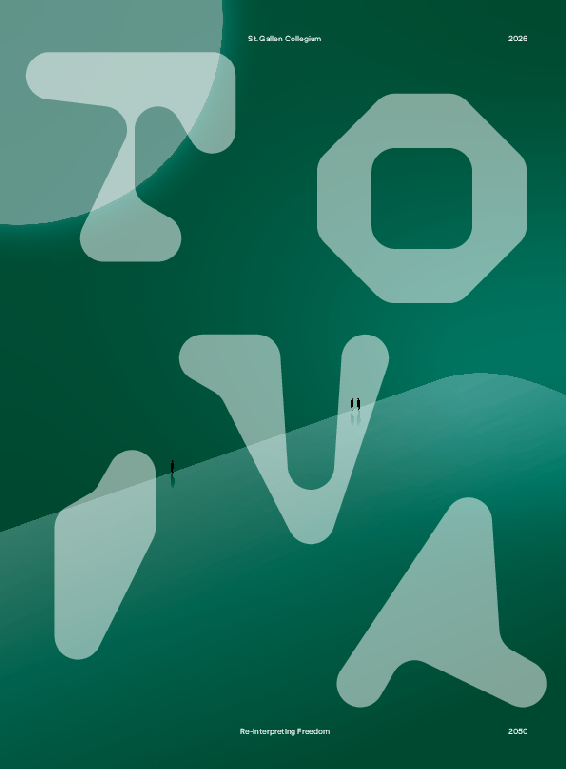
The eight fellows of the first cohort of the St. Gallen Collegium asked themselves precisely these questions as part of their annual theme, ‘Re-Interpreting Freedom’ – and presented their answers in the form of their own magazine.
The magazine tells the story of a shared thought experiment: Toiva, a fictional island society in 2050, exploring the many facets of freedom.
Over the course of the academic year, philosophers, historians, economists, and political scientists have woven their own research perspectives into the interdisciplinary narrative of Toiva.
Toiva means hope – and it is the name of an island that doesn't exist. And yet it has become entirely real: as a Collegium, fellows from all over the world came together in St. Gallen, wrote about it, thought it through, argued over it, and in doing so designed a society for the year 2050 in order to tell the story of what freedom might mean in the future.
The result is a magazine that reads like a travel report from the future, in which the authors encounter a society that – between lagoon and university, between coconut harvest and artificial intelligence – must continually fight anew for its freedom. Eight chapters lead from identity through migration, energy, and cooperation to education; eight facets of a concept of freedom that is never finished, but must be lived and negotiated afresh again and again.
Anyone who engages with Toiva will not simply be visiting an island – but is invited to rethink their own, present-day understanding of freedom.
We warmly invite you to immerse yourself in the world of Toiva and to discover the island of freedom through the eyes of its inhabitants, thinkers, and creators. Each section, from energy to education to identities, opens up new perspectives on what freedom can mean today and tomorrow. Sit back and take your time with the stories and thought experiments that await you. The full magazine is available for download – we wish you an inspiring read.
“One can plunge blindly into the water, or jump from a great height with a clear knowledge for what lies ahead. It is the latter that we celebrate in the act of the cliff jump.”

“.. the effect of being seen, being recognized as a person, every day, by the people you live among—is one of the most profound experiences. And I think— growing up here—we just took that for granted.”
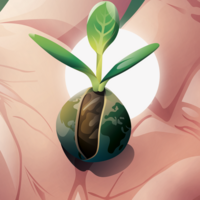
“The assumption that there might be some kind of fundamental contradiction between nature and economy has proven to be completely misleading.”
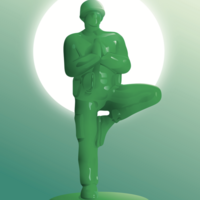
“The question isn’t whether a machine can make this decision faster than a human. The question is how we can leverage our technology for defense while being in integrity with our values.”
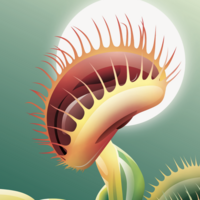
“The lesson we learned is that progress cannot be managed through fear or neglect, but through institutions strong enough to guide innovation without suffocating it,..”
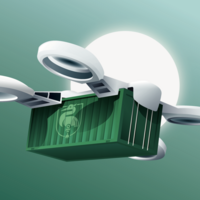
“Today, Toiva’s nature is decommercialized by bringing all the economic laws under natural resource laws. This has been achieved through a consultative process that no longer overrates the value of natural resource wealth and undervalues human capital.”
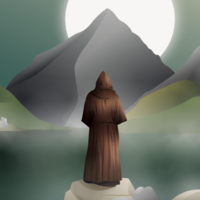
“Modern man pretends that with his science and technology he can dominate nature, but this is a foolish and arrogant error. Many forces of nature are still well beyond our control and will always be.”
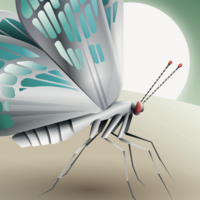
“For us, acting decisively on clean energy was never merely an environmental choice. It was the surest way to protect our future freedom.”
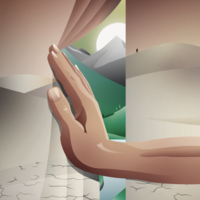
“Freedom that has never been tested does not know its own weaknesses.”
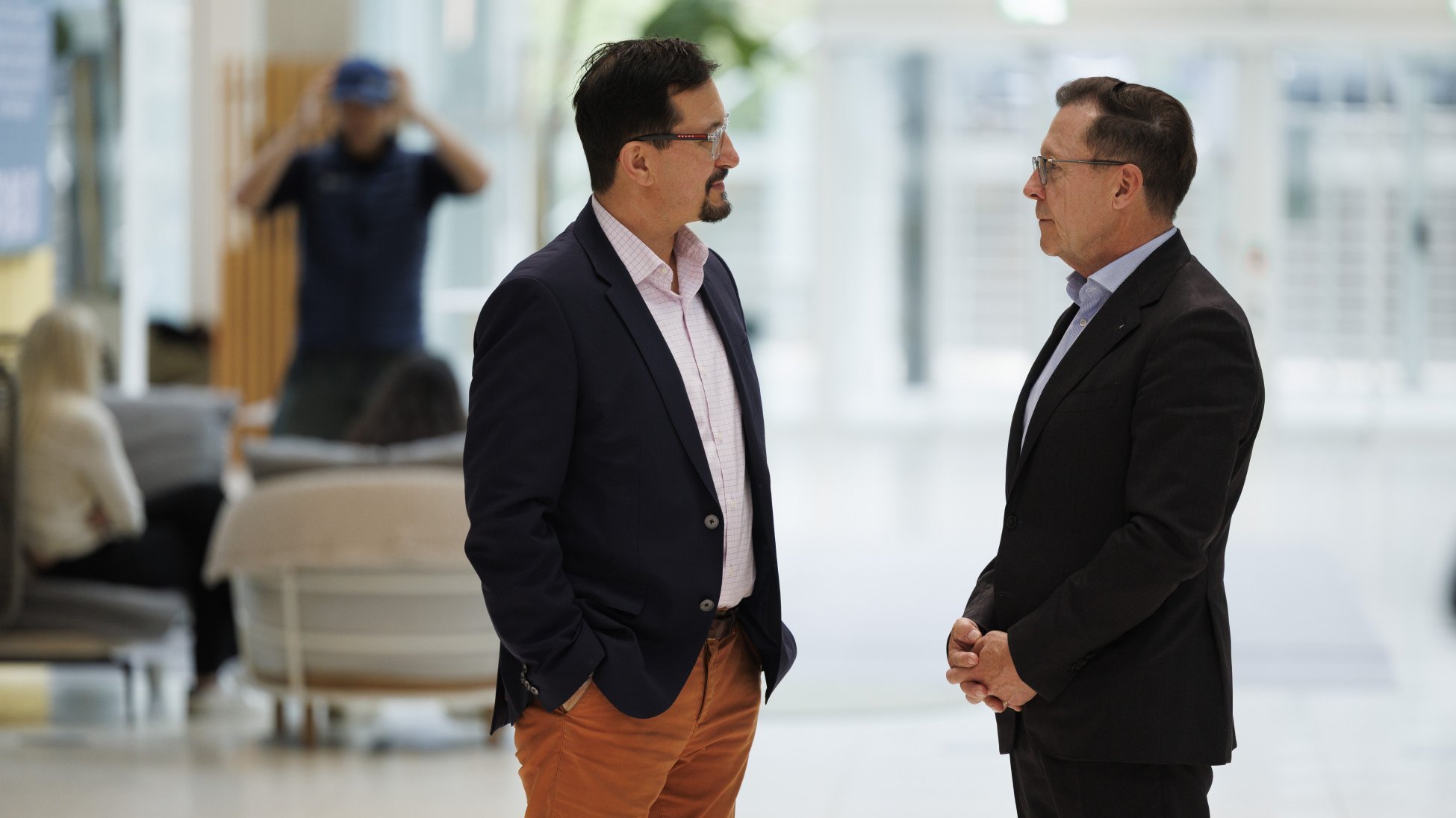
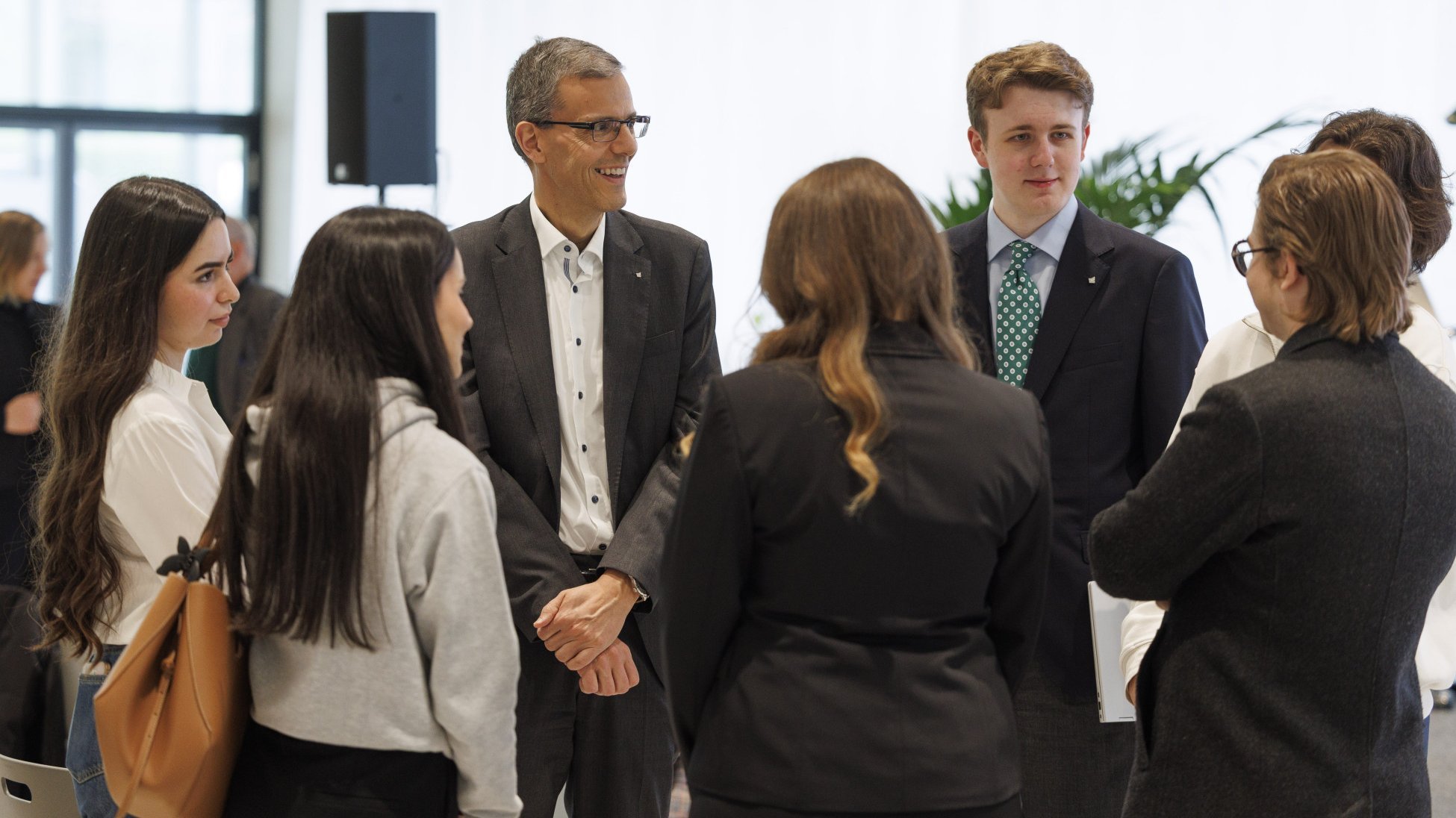
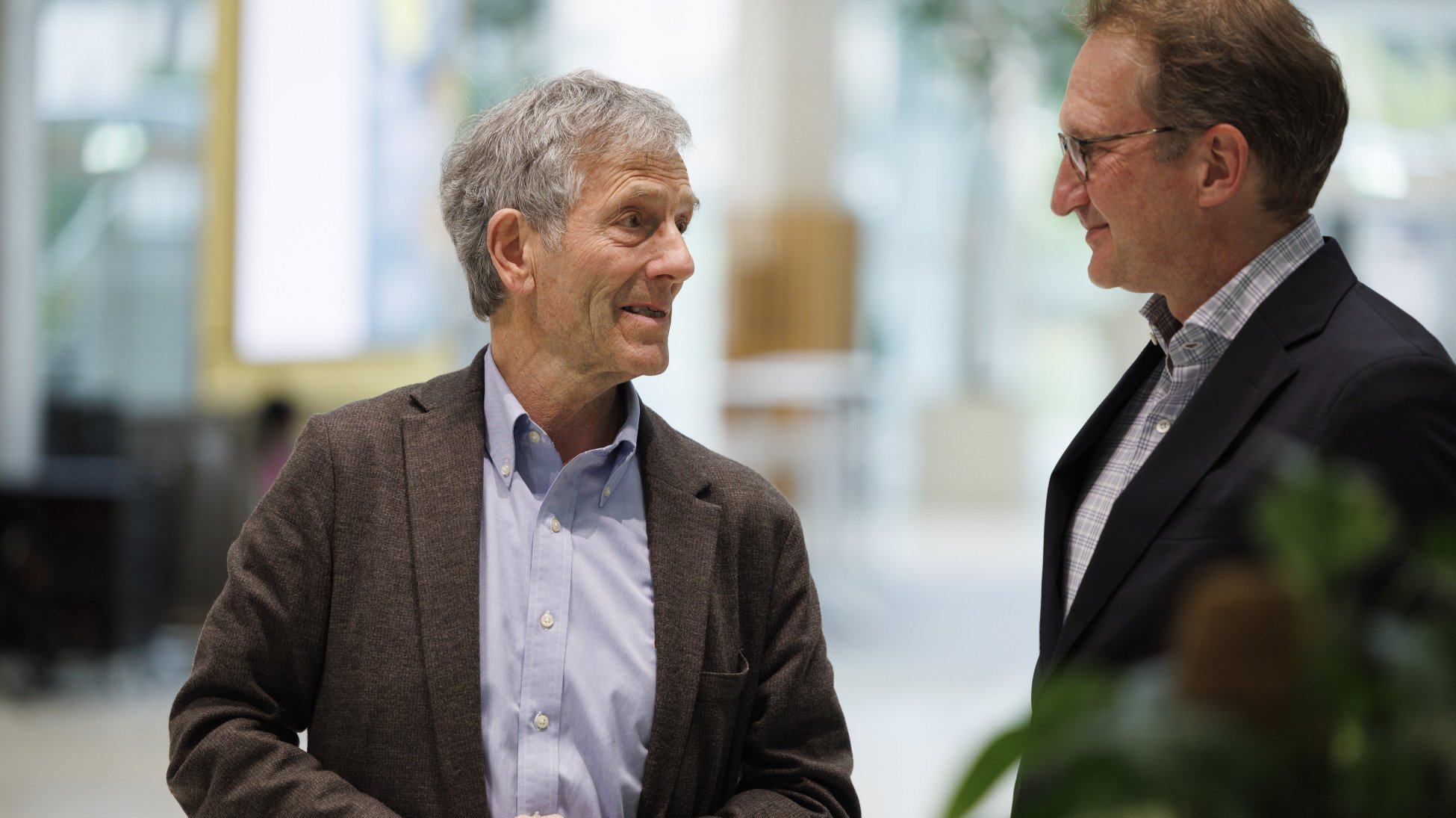
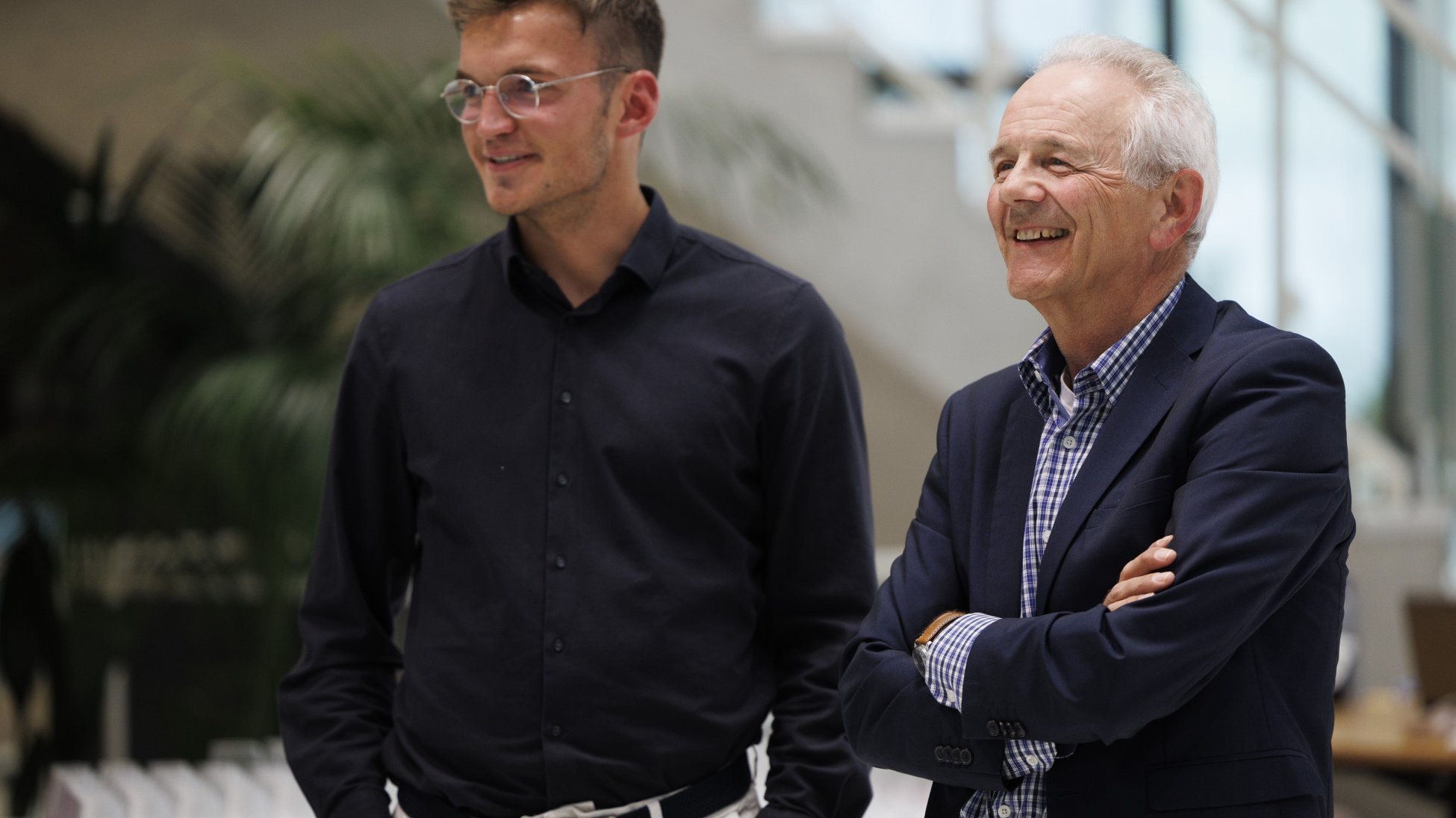
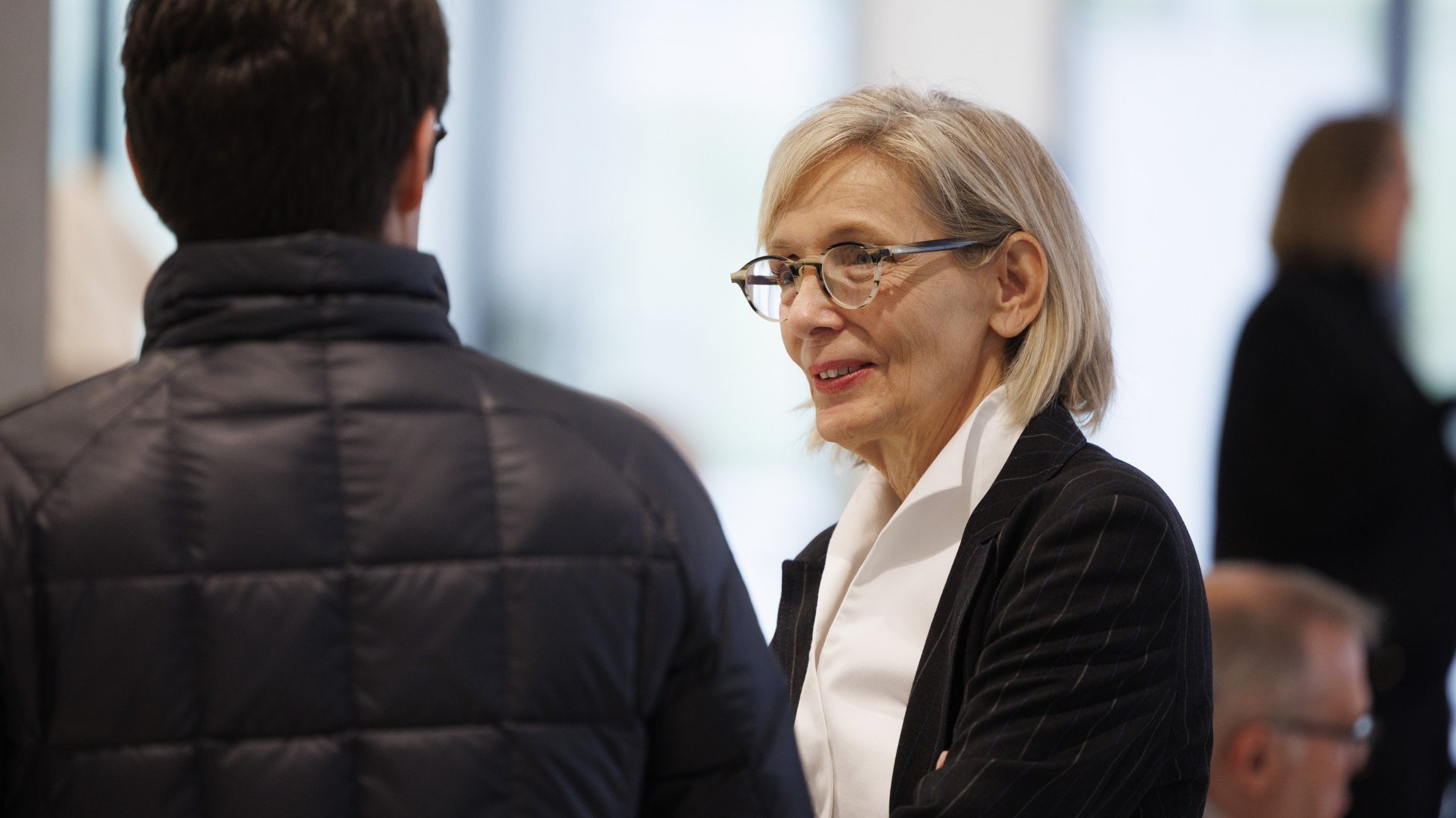
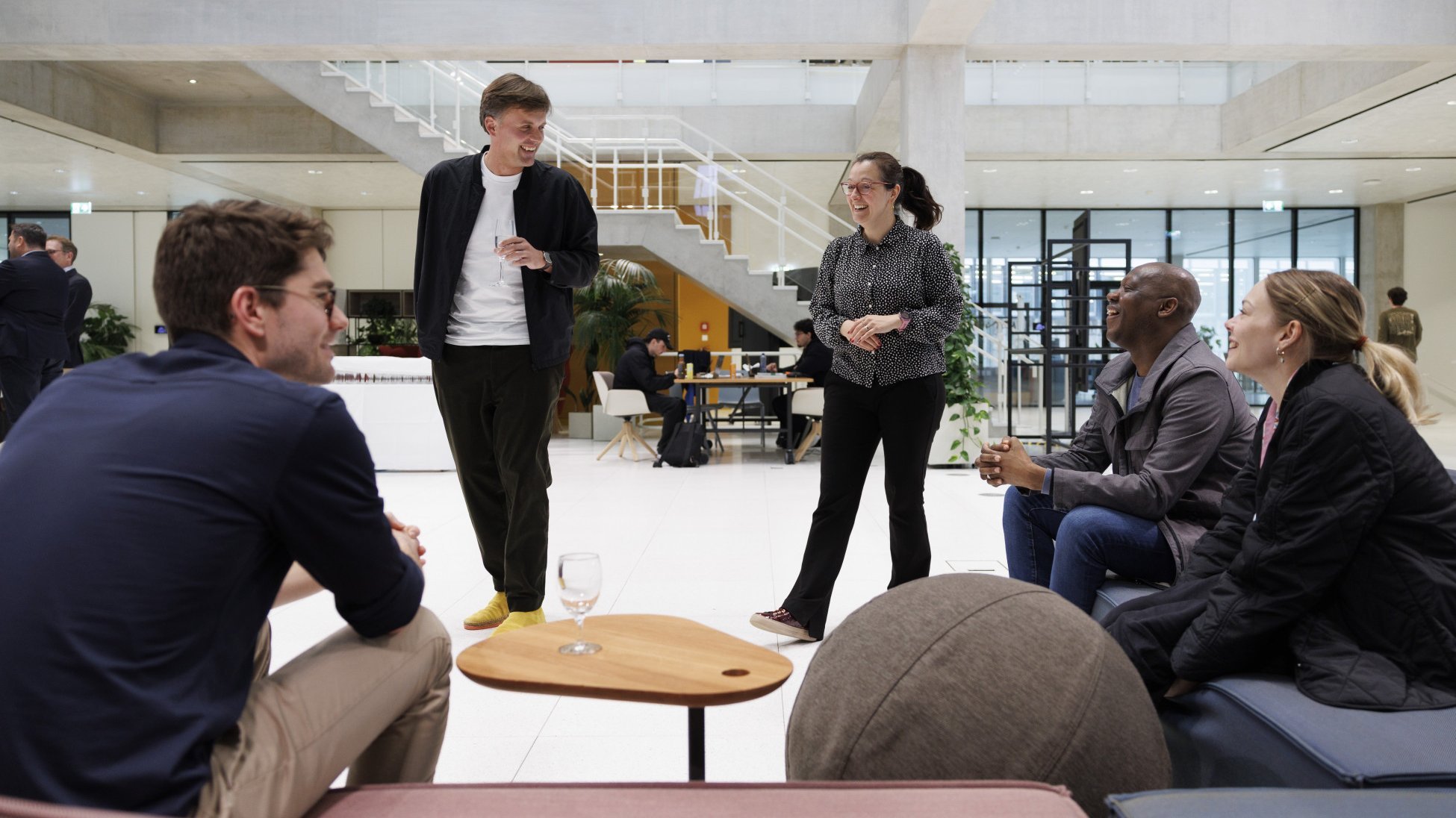
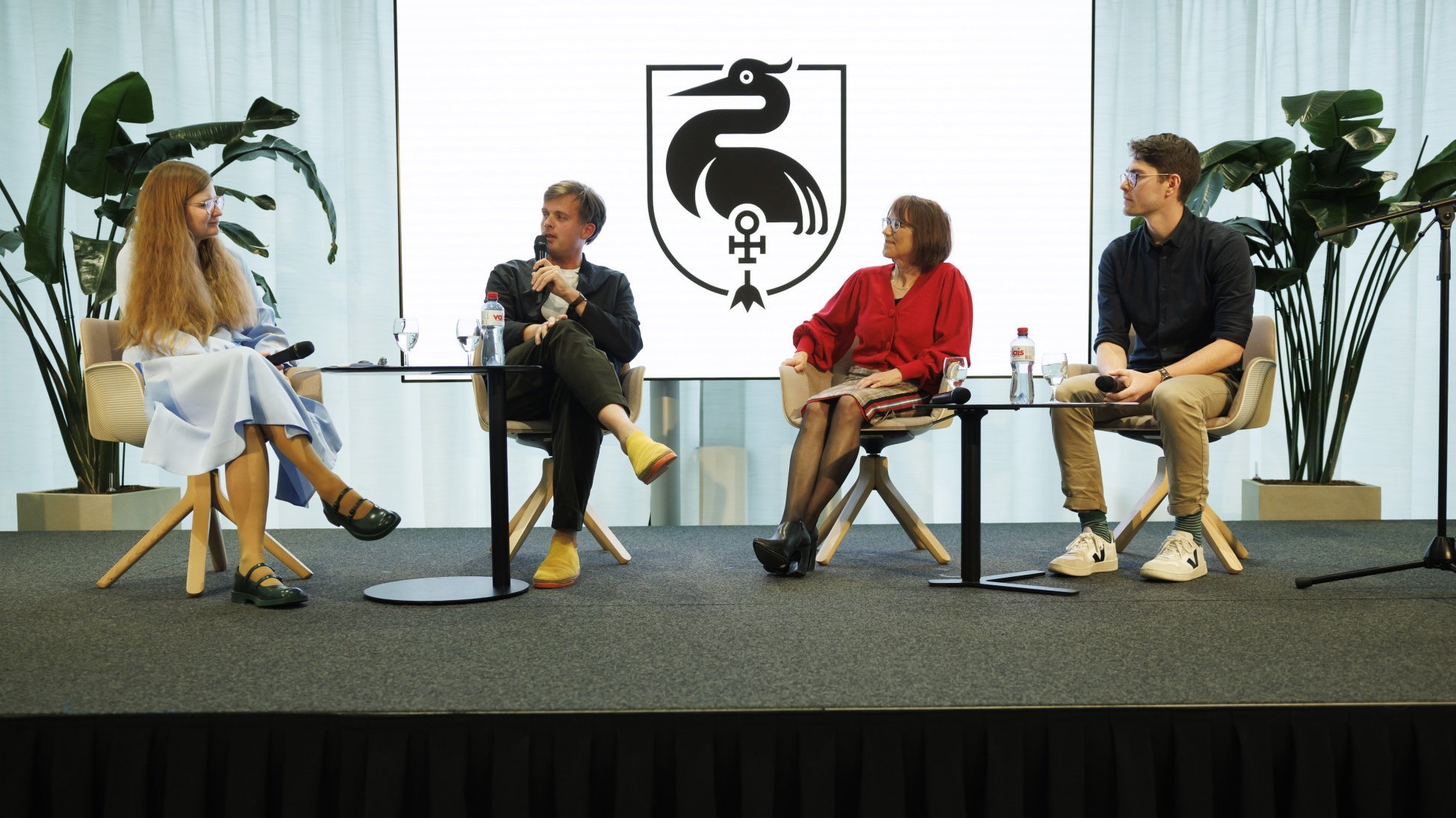
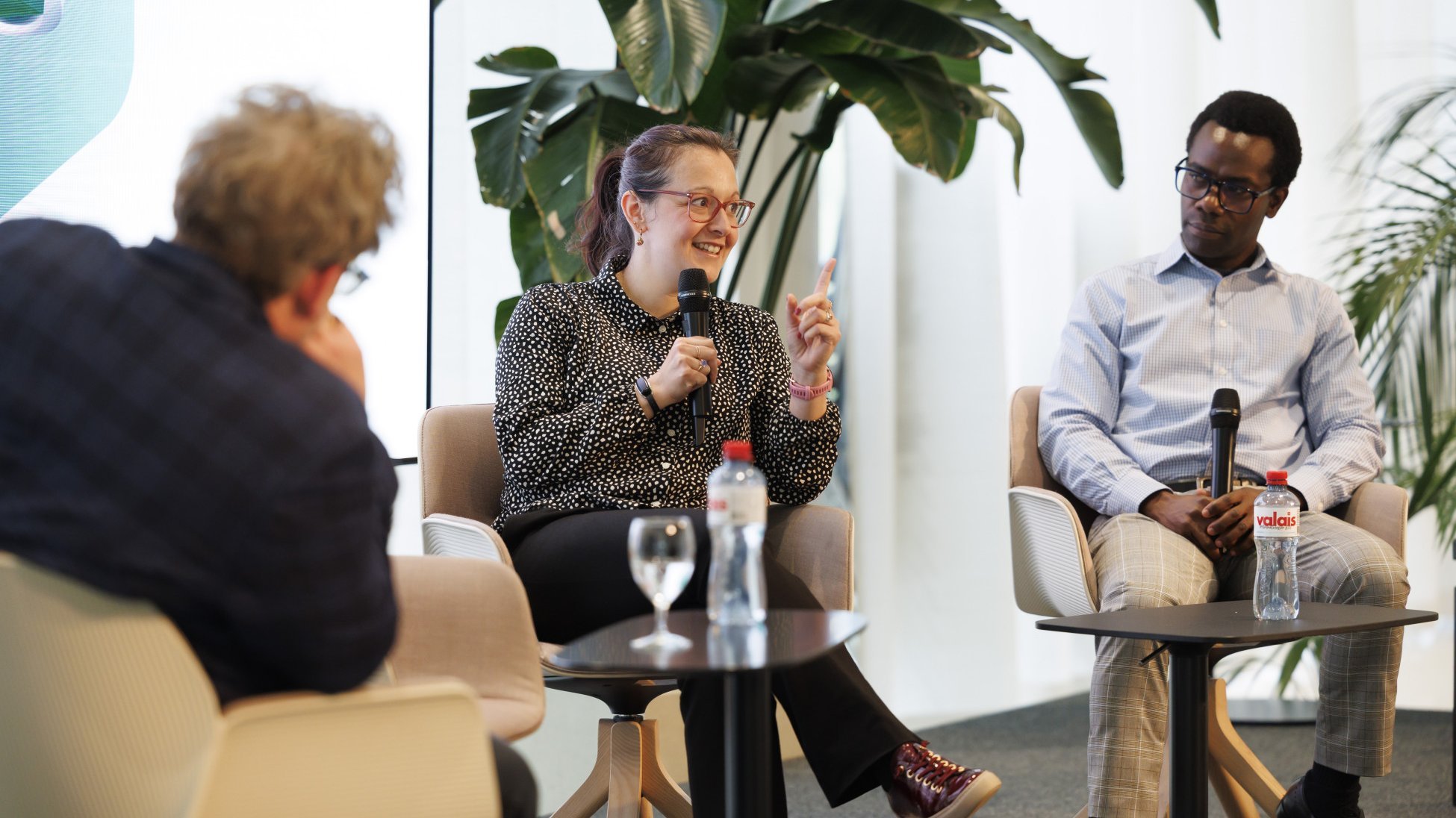
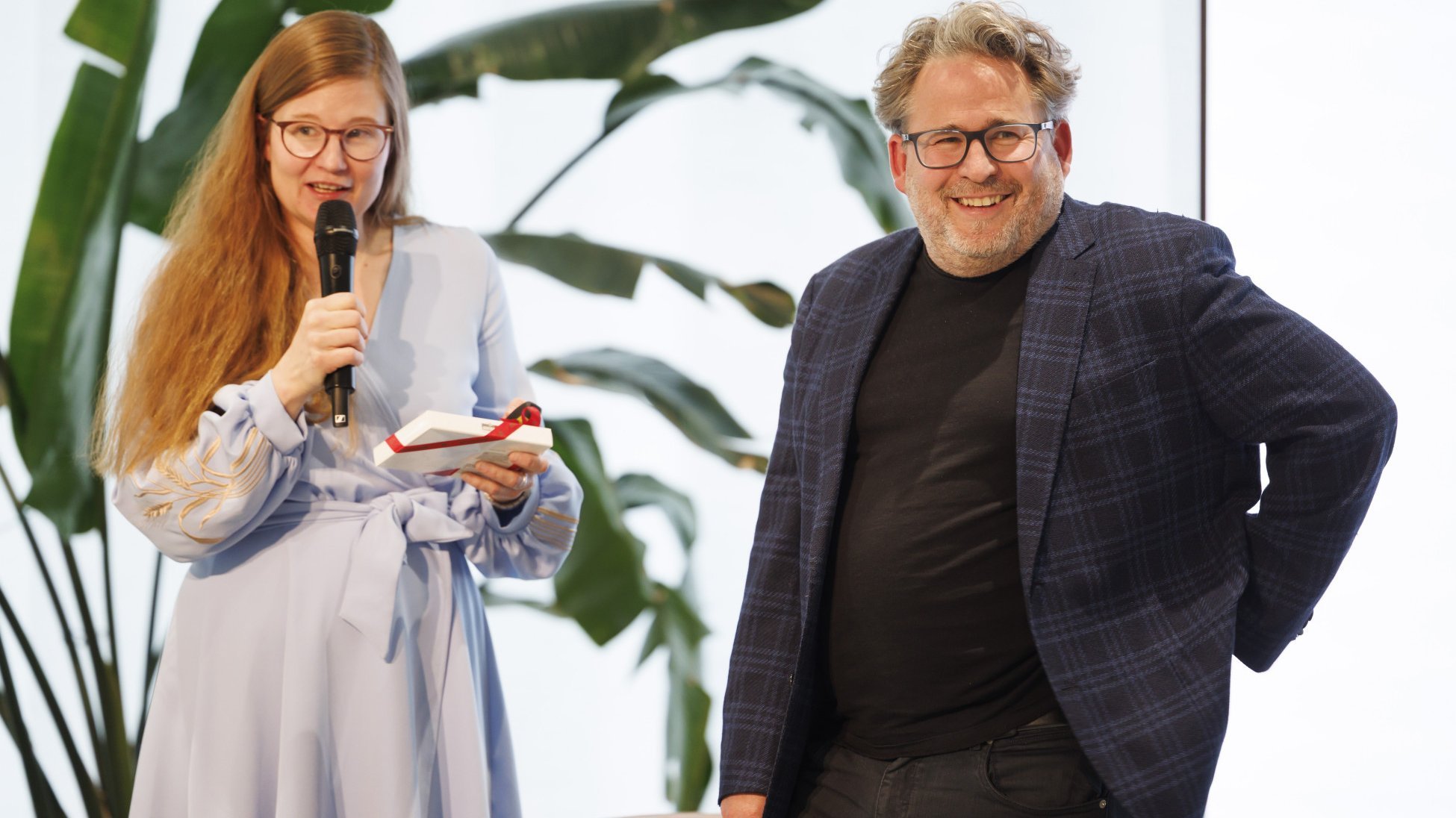
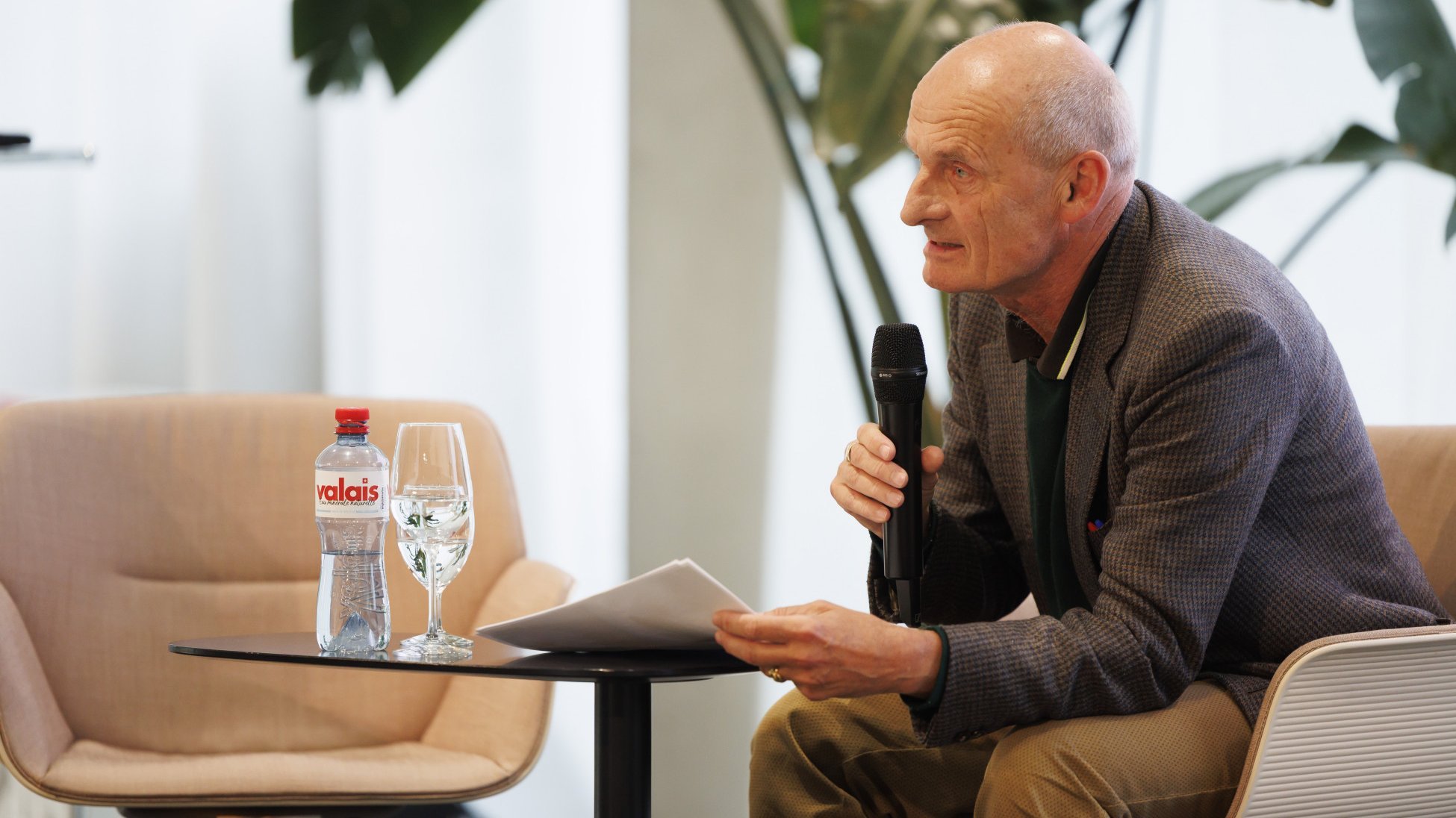
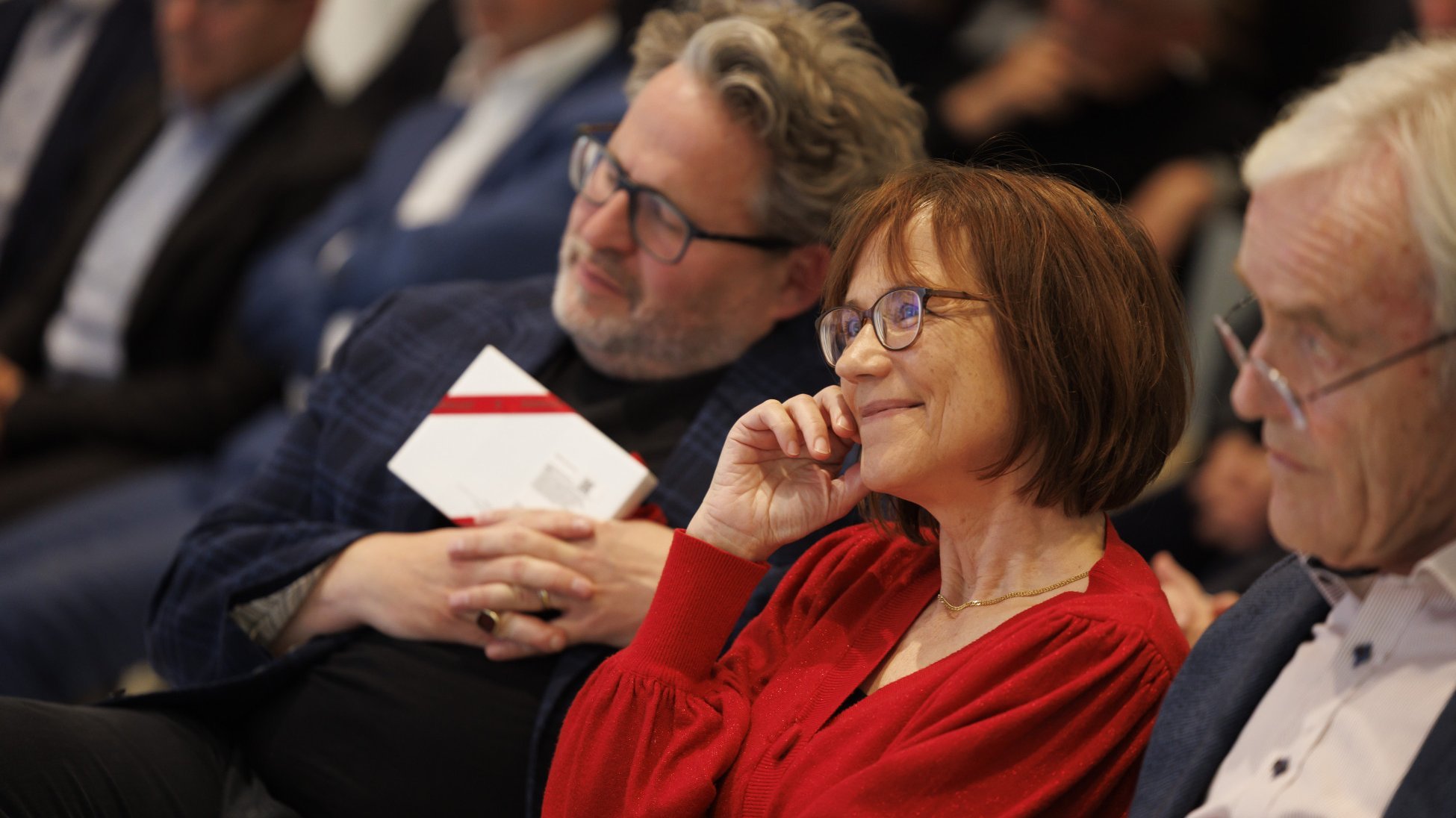
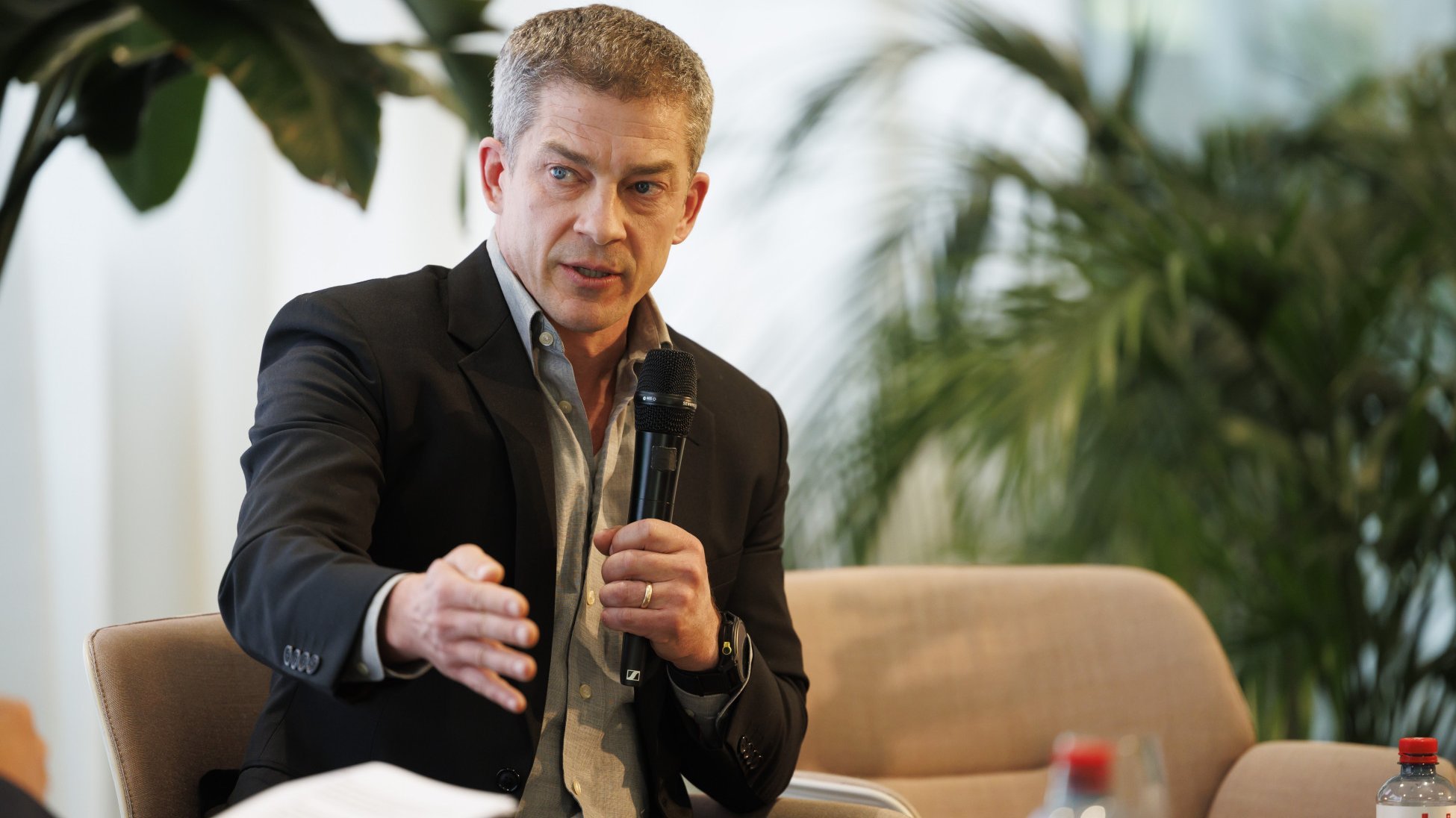
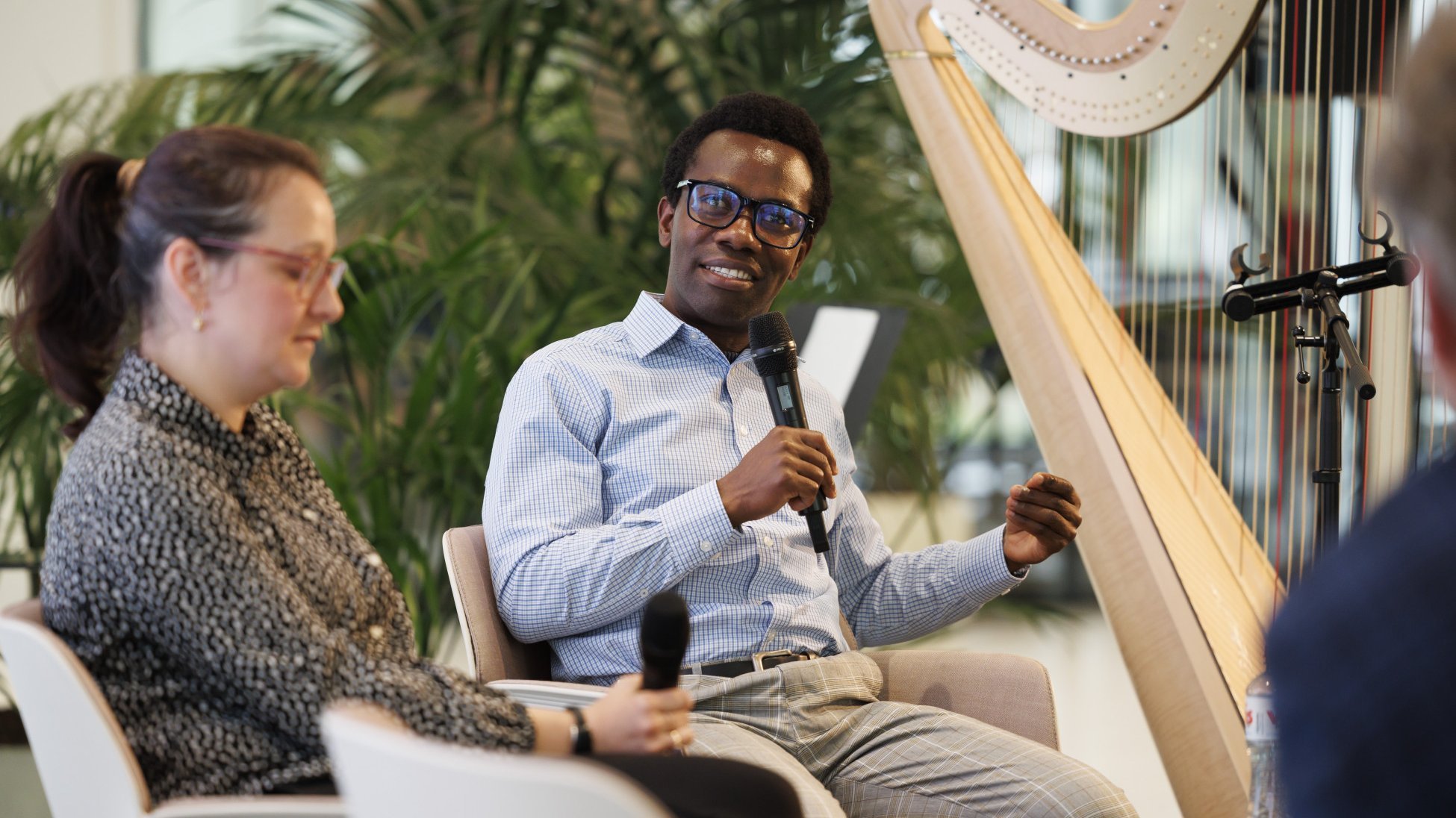
Freedom is a term that has many interpretations. As part of our annual theme, Re-interpreting Freedom, we asked members of our advisory board, future fellows and friends of the Collegium to share their own views on freedom. Their answers offer different perspectives on one of the central questions of our time. Here you will find the first questionnaires with the answers from Günter Müller-Stewens, Antoinette Weibel, Roger de Weck, Prof. em. Wolfgang Schürer and Christine Abbt.