
We are delighted to introduce our fellows who spend the academic year 2026/2027 in St.Gallen:
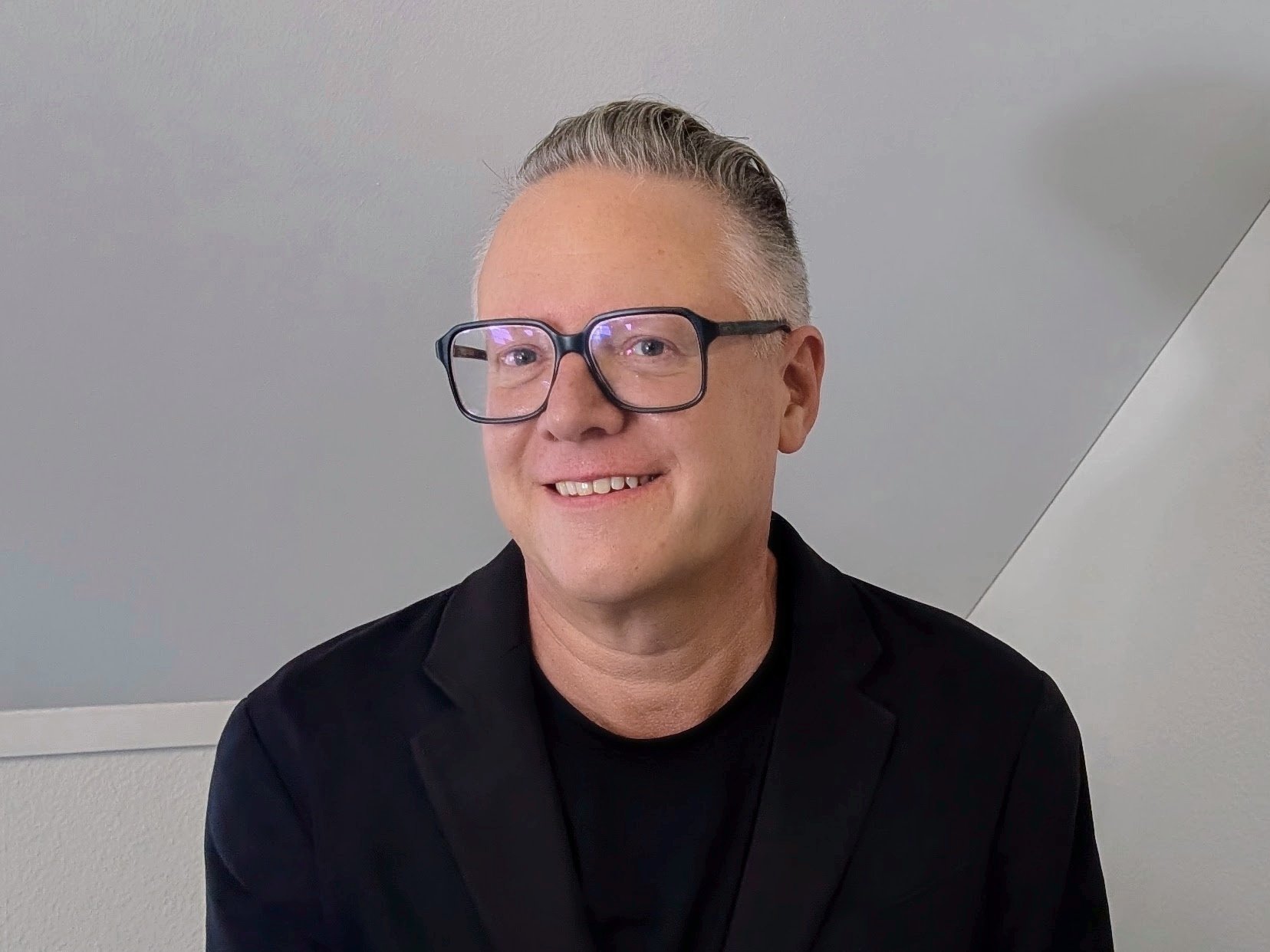
The significance of digital sovereignty in a single sentence: As digital technologies increasingly shape our society, digital sovereignty is essential in order to protect fundamental rights, democracy, and the rule of law.
Project at the Collegium: The Legal Architecture of Digital Sovereignty: Individual Autonomy and Institutional Governance in the Age of AI
Project Abstract: Artificial intelligence is reshaping both individual autonomy and the ability of state institutions to govern digital technologies. My project examines the legal framework for digital sovereignty from two complementary perspectives. First, it investigates how AI companions—digital systems designed to simulate empathy and emotional support—may affect individual autonomy, and whether existing frameworks of EU consumer protection, data protection, product safety and liability, as well as fundamental rights provide adequate safeguards against manipulation and dependency. Second, it examines how the Council of Europe’s AI Framework Convention—the first binding international treaty on AI— could be implemented in Switzerland to protect human rights, democracy, and the rule of law without unnecessarily constraining innovation. By combining comparative legal analysis with insights from other disciplines the project will explore how individual autonomy and institutional governance can be reconciled in an AI-driven society.
About the person:
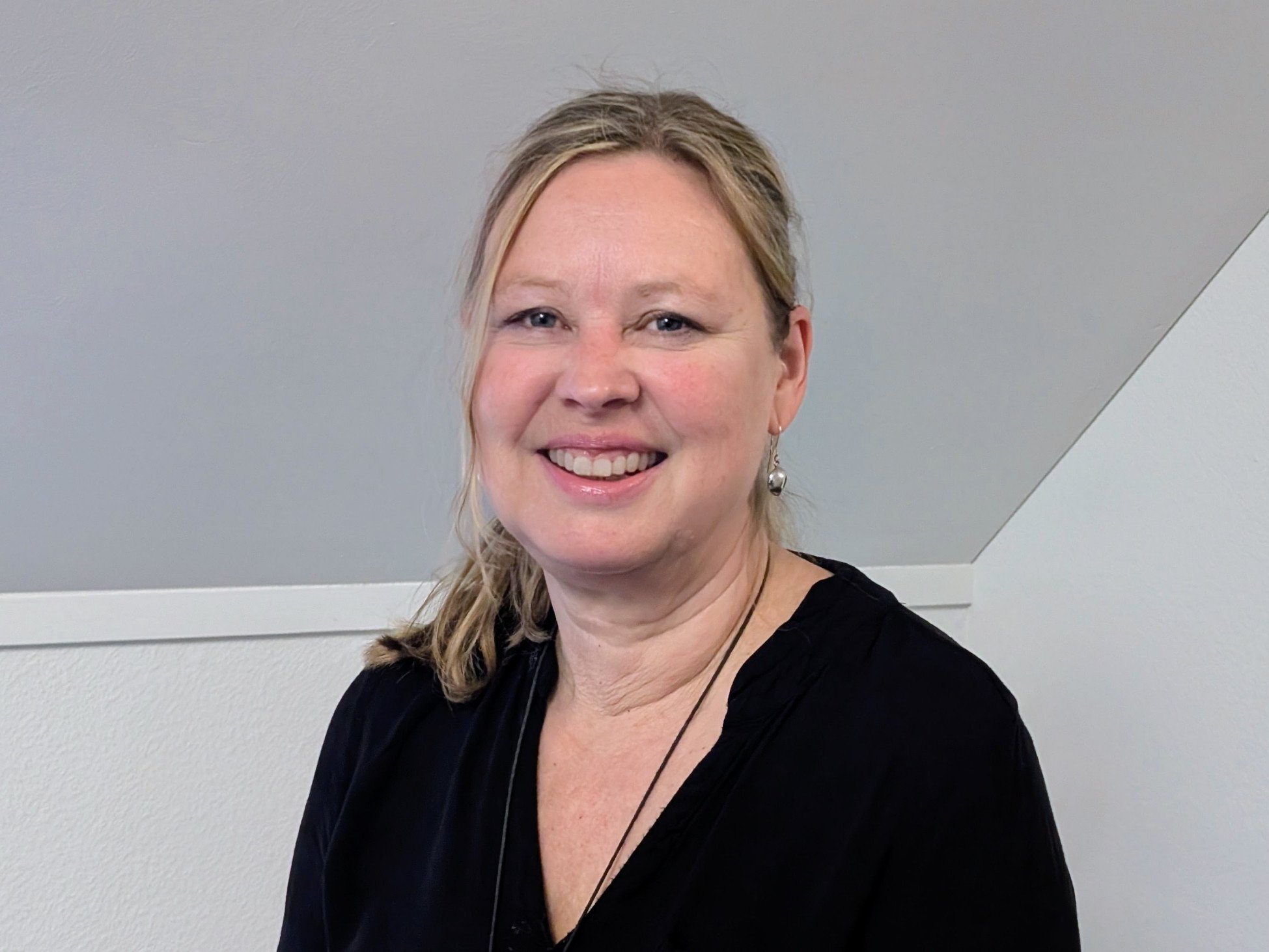
The significance of digital sovereignty in a single sentence: Digital sovereignty forces us to ask how to improve the conditions of our digital existence.
Project at the Collegium: Dimensions of autonomy in human-AI relations
Project Abstract: My project explores dimensions of autonomy in human-AI relations. Building on research on algorithmic culture and my earlier work on "the feel of algorithms," I study various positionings in relation to LLM-enhanced technologies in everyday and institutional settings. I ask how AI shapes and reorders what people do, and how they come to know and maintain a sense of autonomy. The focus is on epistemic questions: how AI systems support or undermine epistemic agency, how they narrow the range of available perspectives, and how they may shift authority so that it amounts to an epistemic coup.
About the person:
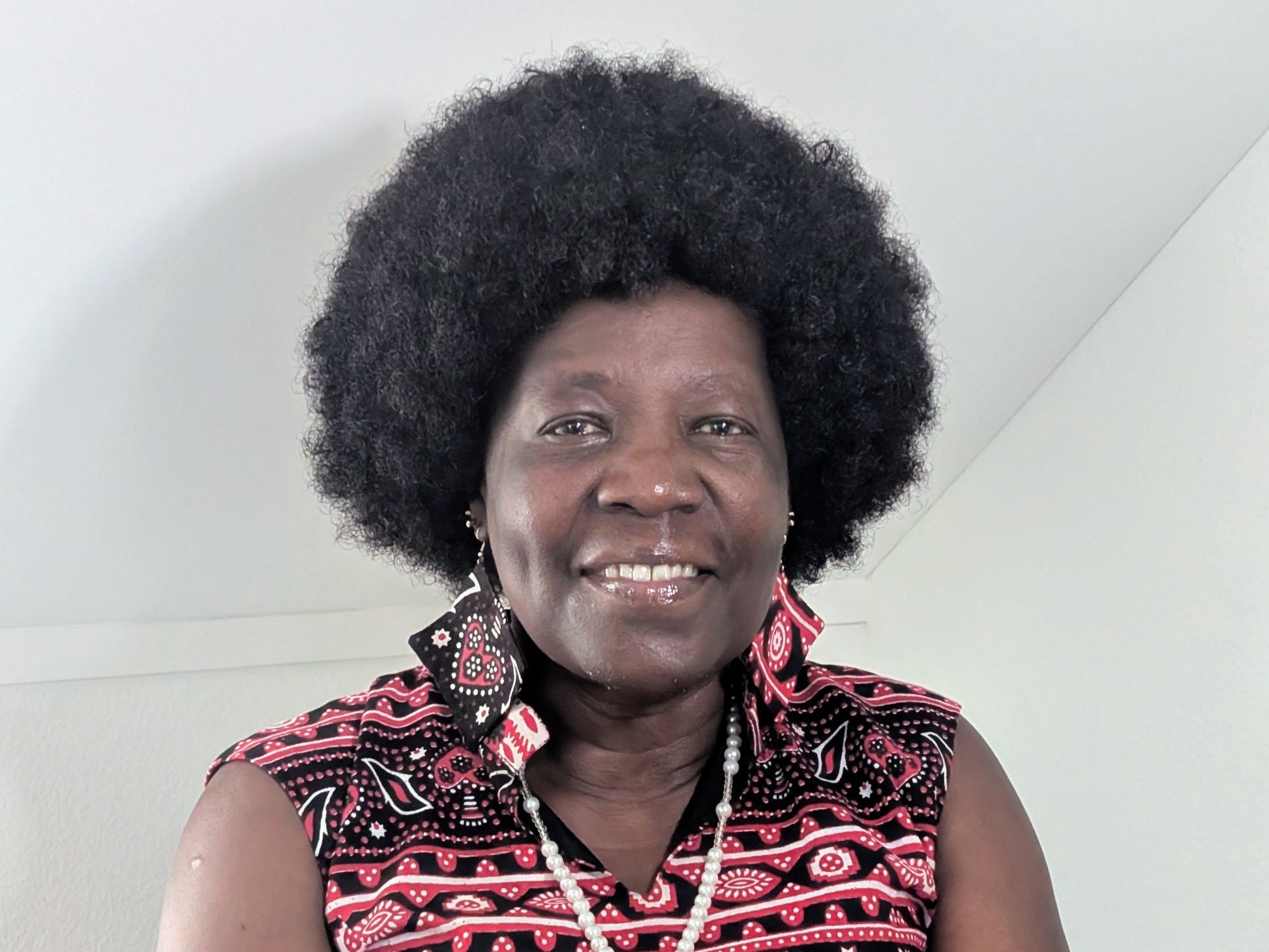
The significance of digital sovereignty in a single sentence: Digital sovereignty matters to me because it gives us the freedom to tell our own stories, to encounter others through theirs, and to turn visibility into understanding and understanding into bridges.
Project at the Collegium: Democratic Resilience and Digital Sovereignty in Africa: Uganda as a Pilot Case
Project Abstract: This research project examines the relationship between digital sovereignty and democratic resilience, using Uganda as a pilot case. It investigates how livestreaming, citizen journalism and digital networks can support public witnessing, verification, political participation and citizen protection, while also exposing people to surveillance, shutdowns, disinformation, propaganda and unequal access. The project asks how citizens, institutions and civil society can retain meaningful agency over information, communication and political participation in digitally mediated environments. It combines legal and policy analysis with qualitative, case-based research, drawing on legislation, documented incidents, institutional practices and first-hand political experience.
About the person:
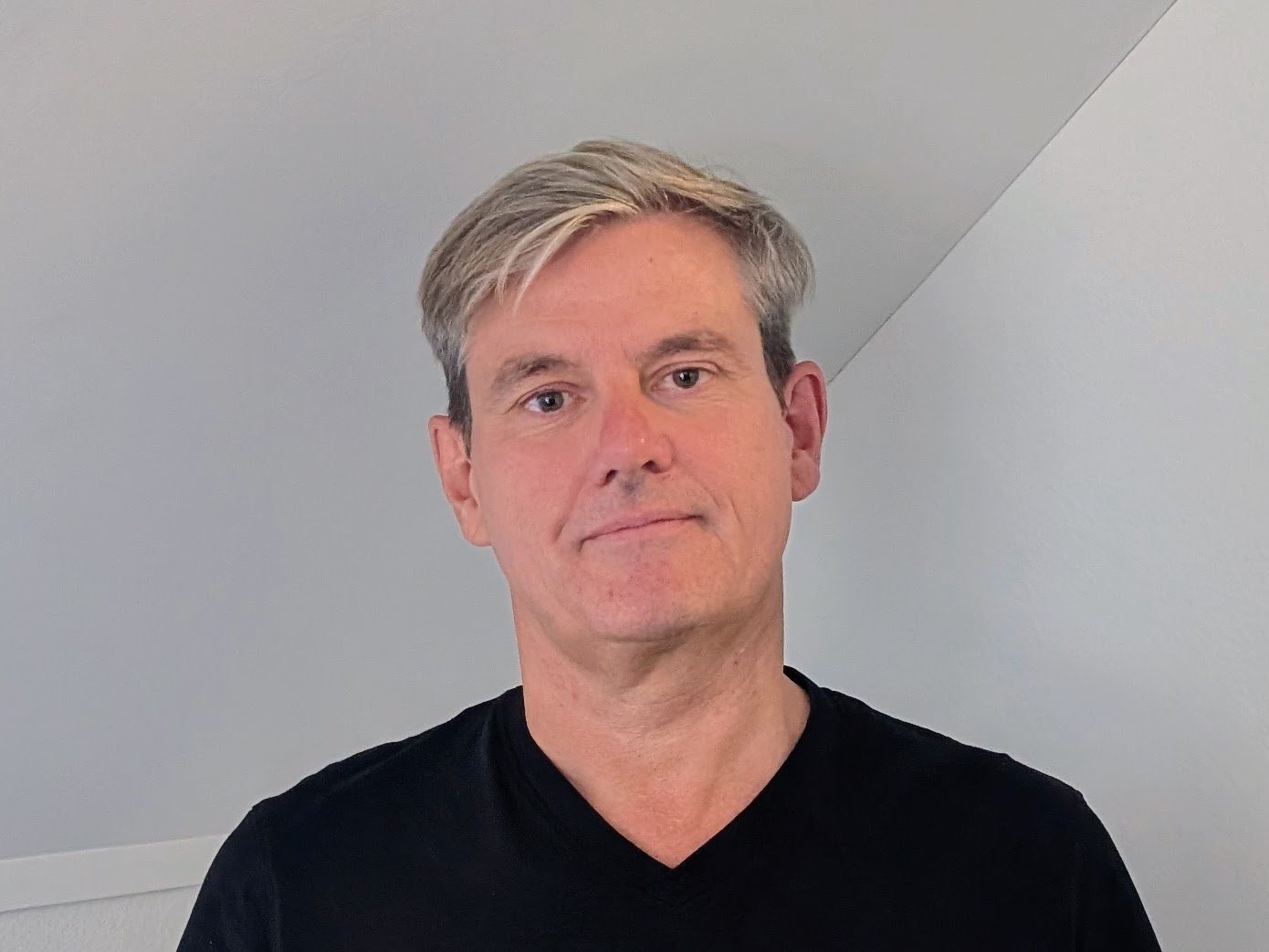
The significance of digital sovereignty in a single sentence: Europe will only regain tech sovereignty by fostering radical innovation.
Project at the Collegium: Beyond Imitation: The Innovation Imperative for Selective Technological Independence
Project Abstract: While European leaders celebrate AI regulatory frameworks and talk about a "sovereign cloud," our competitors are building the technological capabilities that will define the next generation of digital infrastructure. That is the true challenge. To accept it, and build cutting-edge tech with breakthrough innovation, will determine whether European values and interests have meaningful expression in the digital age. Following the principles of "useful fiction," I am exploring the making of a possible breakthrough innovation at the crossroads of chip development and nuclear fusion. I will create a near-future narrative scenario with radically enhanced European tech sovereignty by the year 2032. The story is based on an existing technology and a real deep-tech startup.
About the person:
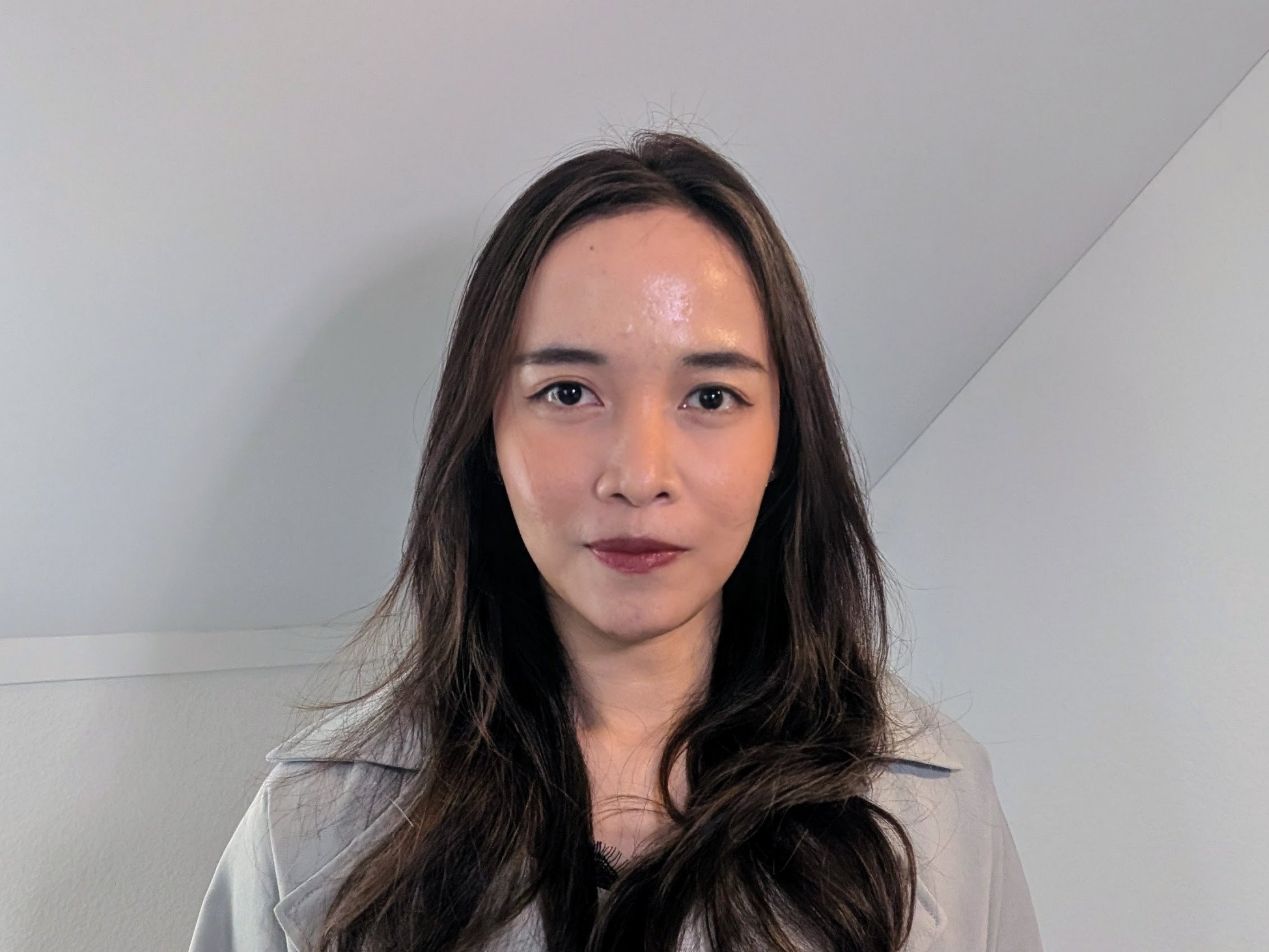
The significance of digital sovereignty in a single sentence: Digital sovereignty matters to me because it exposes how political actors in authoritarian and hybrid regimes weaponize the rhetoric of autonomy as a discursive resource to mask subtle control and legitimize authoritarian power.
Project at the Collegium: Digital Sovereignty or Digital Authoritarianism? Rethinking Digital Governance in Hybrid Regimes
Project Abstract: This project examines how hybrid regimes in Southeast Asia use "digital sovereignty" as a political tool. Existing research focuses largely on hardline autocracies like China and Russia, where sovereignty means technological self-reliance and reduced dependence on Western infrastructure. Less is known about hybrid regimes, which invoke sovereignty over information and data while remaining structurally dependent on Western platforms and capital, unlike closed autocracies that pursue real technological substitution. Digital sovereignty here operates less as independence than as a tool of selective state authority. This paradox has a longer postcolonial history. Sovereignty once carried the force of resistance to external domination, giving it a language of autonomy that current regimes can redirect. Yet colonial governance also relied on local intermediaries to manage domestic authority while enabling external extraction. I explore this parallel through the Dutch Cultivation System, showing how local authority can coexist with deeper dependence. This helps distinguish legitimate demands for digital autonomy from sovereignty claims that normalize restrictions on civil liberties.
About the person:

The significance of digital sovereignty in a single sentence: I believe digital sovereignty holds the key to sustainable and equitable development, because it decides whether our societies can build the capabilities this epoch demands to fulfil their own public missions.
Project at the Collegium: Who Sets the Rules? How Digital Platform Governance Shapes Latin American Economies
Project Abstract: Digital platforms have become a key organisational form, creating and orchestrating the ecosystems of actors in digital markets. As these markets tend structurally towards concentration, dominant platforms set the rules participants must abide by. Their governance decisions—fee structures, participation rules, algorithmic curation, logistics and data policies—can therefore function as industrial policy: they influence which actors grow, who captures value, and where activity concentrates. However, unlike public policy, they need not be transparent, publicly deliberated or democratically accountable. The project asks what this implies for the economic dimensions of digital sovereignty in host economies. It combines a comparative study of Amazon and MercadoLibre in Mexico, Brazil and Argentina with an agent-based model formalising how platform governance decisions propagate into aggregate outcomes. The model then serves as a testbed for policy interventions—interoperability, self-preferencing restrictions, vertical-integration limits—comparing effects on value distribution, sectoral composition and territorial concentration.
About the person:
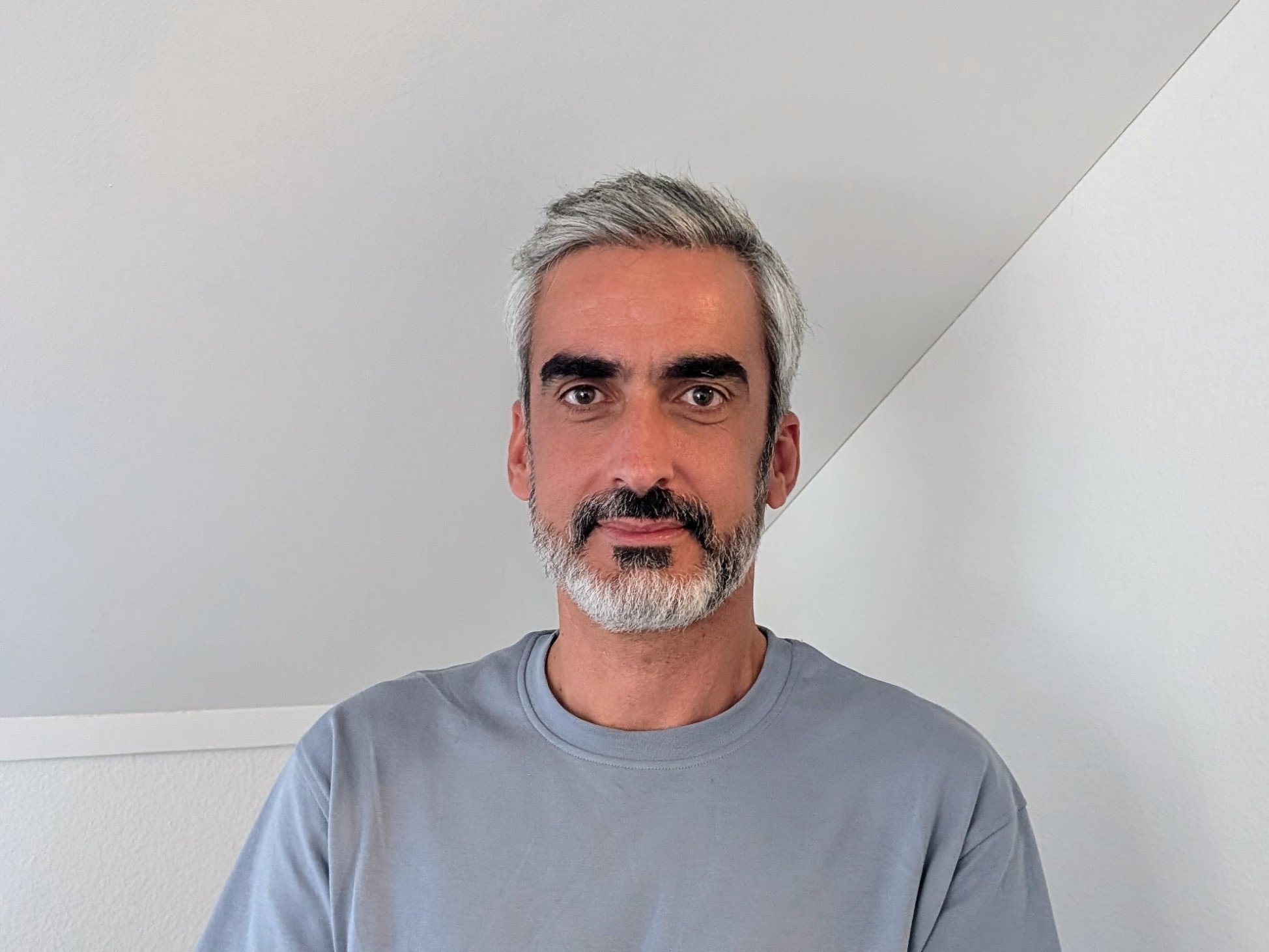
The significance of digital sovereignty in a single sentence: I am interested in the meaning of digital sovereignty for democratic citizenship: the possibilities for living and acting together that it opens, those it may foreclose, and what these transformations might mean for human flourishing.
Project at the Collegium: As If We Were Sovereign: Digitalization and Democratic Futures
Project Abstract: My project asks how digitalization may reshape democratic citizenship in a post-virtual world, in which the distinction between virtual and physical reality has ceased to organize social and political experience. By synthesizing trajectories already present in existing technologies and projects into a big-picture realist utopia, I investigate three dimensions of post-virtual citizenship: the vertical relation of citizens to political authority; the horizontal relations among citizens and the forms of political discourse they sustain; and the class structure of post-virtual society. Rather than approaching digital sovereignty primarily in terms of individual autonomy, legal rights, or control over data, the project examines the possibilities for living and acting together that digitalization opens up and forecloses. It aims to gain our bearings in relation to digitalization here and now by drawing on classical and contemporary political thought to pose some of the enduring questions of political philosophy anew in the digital age.
About the person: