Research - 24.09.2026 - 15:00 

St.Gallen Collegium addresses “digital sovereignty” during its second year

The St.Gallen Collegium strengthens the University of St.Gallen’s reputation as a location for interdisciplinary thought. From September 2026 to May 2027, an international group of seven researchers will be examining the challenges of digital sovereignty. The new academic director is Dr. Julian Eckl.
Source: HSG Newsroom
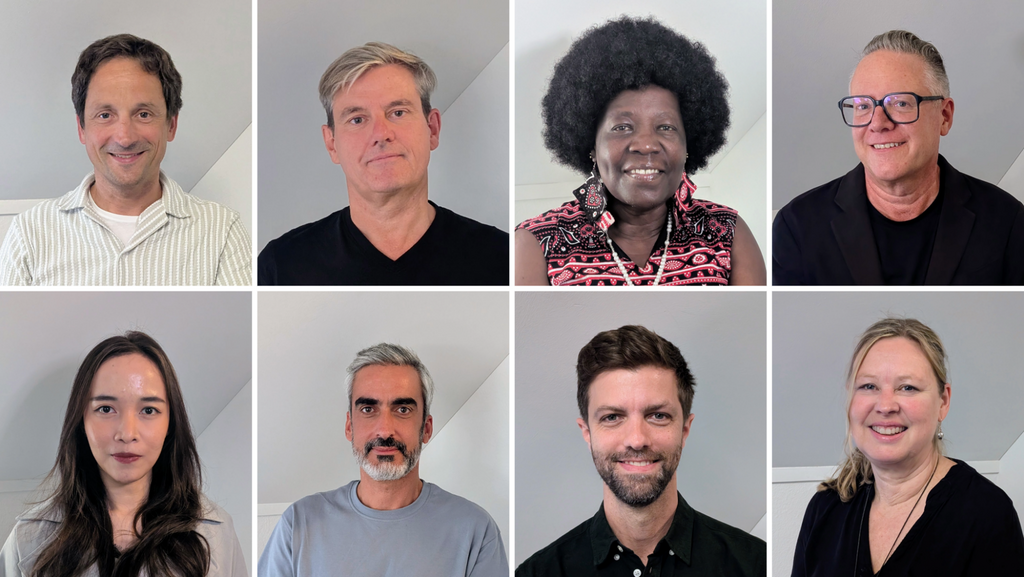
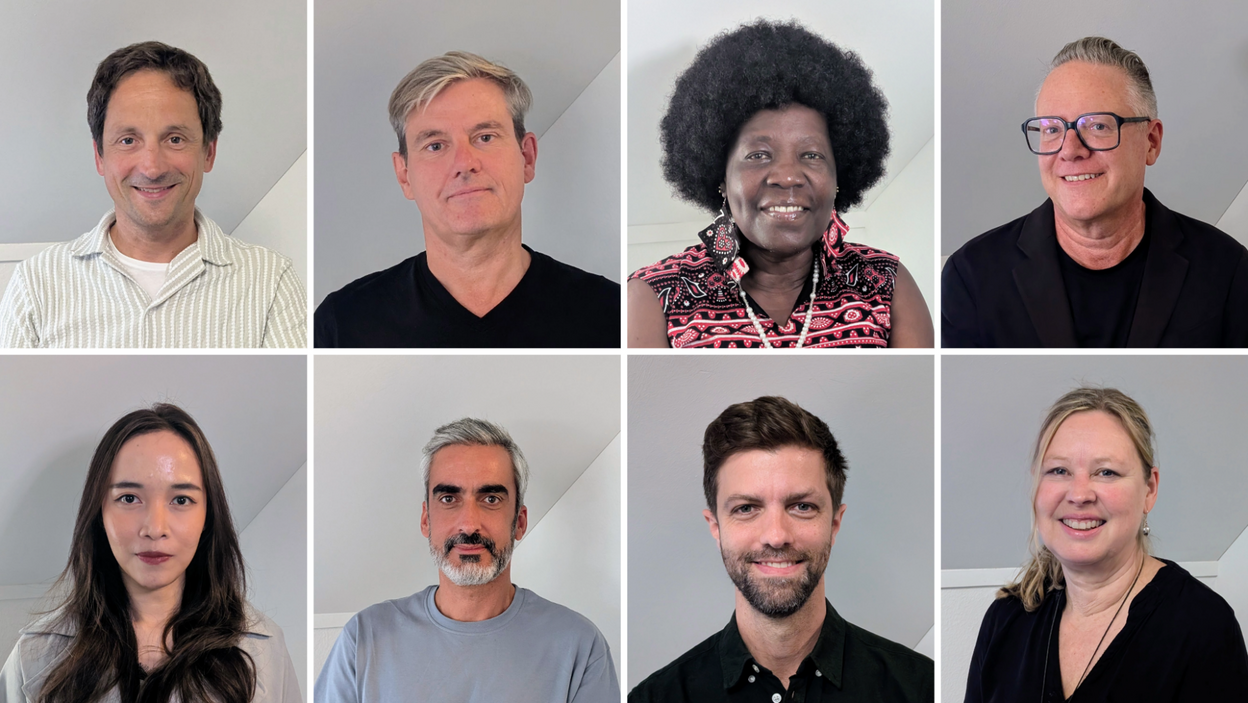
Team of the second cohort of the St.Gallen Collegium (top left to bottom right): Julian Eckl (academic director), Thomas Ramge, Lina Zedriga, Martin Ebers, Salma Aqida, Eno Trimçev, Martín Harracá and Minna Ruckenstein

As the autumn semester of 2026 begins, the St.Gallen Collegium enters its second year. The first cohort of fellows at the HSG’s institute of advanced studies had addressed the question of how to re-interpret freedom. The second cohort focusses on “digital sovereignty”.

Critical infrastructure

Sovereignty has become a key concept of a world order in which political, economic, and cultural systems increasingly drift apart. The digital sphere by contrast remains oddly entangled and interconnected. A particularity of our time is that its own technological foundations are experienced as dependency.

Digital technologies have long become critical infrastructure for economies, states, and civil societies alike. Yet the more self-evident this infrastructure becomes, the more clearly its price emerges: those who rely on technology developed and operated abroad also relinquish a measure of their own agency.

Already in 2021, the heads of government of Germany, Denmark, Estonia, and Finland, called on the European Commission for it to be “time for Europe to be digitally sovereign.” In the wake of the 61st Munich Security Conference in 2025, this call was taken up emphatically by European industry leaders – as a demand for an industrial policy strategy to reduce critical dependencies.

Digital infrastructure concerns all citizens

Yet digital sovereignty is more than a matter of state and economic policy. The issue concerns every level – down to the individual citizen: digital, technological, and data sovereignty refer to the ability to retain control over one's own digital data, tools, and infrastructure. Added to this is a deeper unease: what if technology itself becomes increasingly autonomous – if artificial intelligence turns into an independent actor alongside the human? This prospect raises the question of sovereignty with unprecedented urgency. Following a competitive selection process, seven fellows from various disciplines have been chosen for the St.Gallen Collegium; they will explore and think through the various facets of digital sovereignty. They will do so through joint research activities as well as individual projects.

The seven Fellows of the second cohort of the St.Gallen Collegium

  • Salma Aqida
    Kistefos Fellow Dr. Salma Aqida has completed her PhD at Goethe University Frankfurt in Germany and conducted research at Cornell University as well as KITLV Leiden. Her project at the collegium is titled: “Digital Sovereignty or Digital Authoritarianism? Rethinking Digital Governance in Hybrid Regimes”. She says: “Digital sovereignty matters to me because it exposes how political actors in authoritarian and hybrid regimes weaponize the rhetoric of autonomy as a discursive resource to mask subtle control and legitimize authoritarian power.”
     
  • Martin Ebers
    Michael Hilti Fellow Prof. Dr. Martin Ebers from the Robotics & AI Law Society (RAILS) is a professor of IT law at various universities in Europe. At the Collegium he is working on a project entitled “The Legal Architecture of Digital Sovereignty: Individual Autonomy and Institutional Governance in the Age of AI”. He emphasizes: “As digital technologies increasingly shape our society, digital sovereignty is essential in order to protect fundamental rights, democracy, and the rule of law.”
     
  • Martín Harracá
    Kistefos Fellow Dr. Martín Harracá works at National University of San Martín, Buenos Aires, Argentinia, and has research affiliations to the University of Buenos Aires as well as the University of Surrey. His project at the Collegium is called: “Who Sets the Rules? How Digital Platform Governance Shapes Latin American Economies”. He says: “I believe digital sovereignty holds the key to sustainable and equitable development, because it decides whether our societies can build the capabilities this epoch demands to fulfil their own public missions.”
     
  • Thomas Ramge
    Senior Outreach Fellow Dr. Thomas Ramge from Germany is author of more than 20 books and a science communicator. His project at the Collegium is called “Beyond Imitation: The Innovation Imperative for Selective Technological Independence”. He is convinced: “Europe will only regain tech sovereignty by fostering radical innovation.”
     
  • Minna Ruckenstein
    Ria & Arthur Dietschweiler Fellow Prof. Dr. Minna Ruckenstein from the University of Helsinki in Finland is professor of Emerging Technologies in Society. Her project at the Collegium has the title: “Dimensions of autonomy in human-AI relations”. She emphasizes: “Digital sovereignty forces us to ask how to improve the conditions of our digital existence.”
     
  • Eno Trimçev
    Early Career Fellow Dr. Eno Trimçev from the Martin Luther University Halle-Wittenberg in Germany works on a project titled: “As If We Were Sovereign: Digitalization and Democratic Futures”. He states: “I am interested in the meaning of digital sovereignty for democratic citizenship: the possibilities for living and acting together that it opens, those it may foreclose, and what these transformations might mean for human flourishing.”
     
  • Lina Zedriga
    SENN Fellow Dr. Lina Zedriga is a socially and politically active lawyer as well as a peace and conflict researcher from Uganda. Her project at the Collegium is titled: “Democratic Resilience and Digital Sovereignty in Africa: Uganda as a Pilot Case”. She says: “Digital sovereignty matters to me because it gives us the freedom to tell our own stories, to encounter others through theirs, and to turn visibility into understanding and understanding into bridges.”


With the start of the second year, the academic directorship of the Collegium has been transferred from Prof. Dr. Claudia Brühwiler to Dr. Julian Eckl, political scientist at the School of Economics and Political Science. He is interested in immersive research and teaching like ethnography and game based learning. With a view to the upcoming academic year, he notes: “I am looking forward to working with our wonderful fellows. For me, (digital) sovereignty describes not only the material capabilities of individual actors, but also a social institution of the global order that is currently being renegotiated.” 

Prof. em. Dr. Christoph Frei will continue working with the fellows in the second year as convenor and moderator of the internal workshops. Cornelia Kappeler provides administrative support to the Collegium.

The third cohort of the St.Gallen Collegiums starts in autumn 2027. It will investigate the issue of “Performance”. The deadline for applications is 18 October 2026.


You can subscribe to receive regular updates on events and the work of the Collegium via email or view them on the Collegium’s LinkedIn account.

St. Gallen Collegium News

The St. Gallen Collegium’s news section provides insights into our fellows’ current activities, projects and public contributions. It demonstrates how research extends beyond the academic context and is brought into public debate.
Whether through media appearances, publications or events, these contributions document how new perspectives on key issues of our time emerge and gain visibility at the Collegium. They highlight how academic work and public discourse intersect.
north